
Reviewed · TURTLE SNORKELING TOURS
Shore Dive with Sea Turtles @ Koloa Landing for Certified Divers
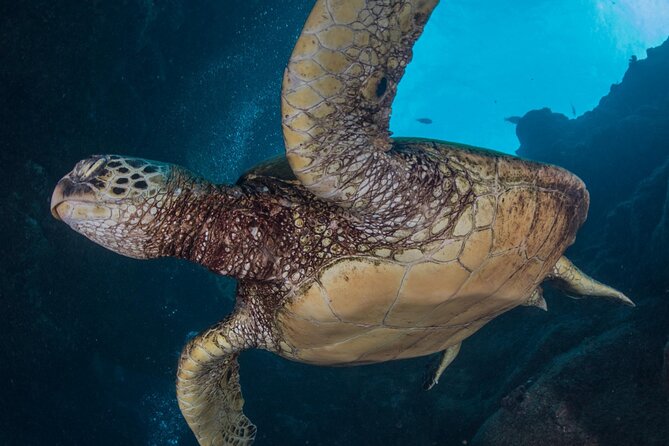
Koloa Landing is famous for one big reason: Hawaiian green sea turtles. More than 50 are known to frequent the area, and seeing several during your underwater session is highly likely, though these are wild animals and no sighting can be promised. Guides such as Carlos and Cody handle the briefing, gear, and route while you focus on staying calm and observant.
I like the small group limit of seven, which gives the professional guide room to keep an eye on everyone. I also like the practical package: wetsuit, mask, fins, booties, transport, water, snacks, and all taxes are included. The main concern is the heavy current reported at the site, plus the fact that you must bring or arrange your own regulator and BCD.
Key points to know before booking
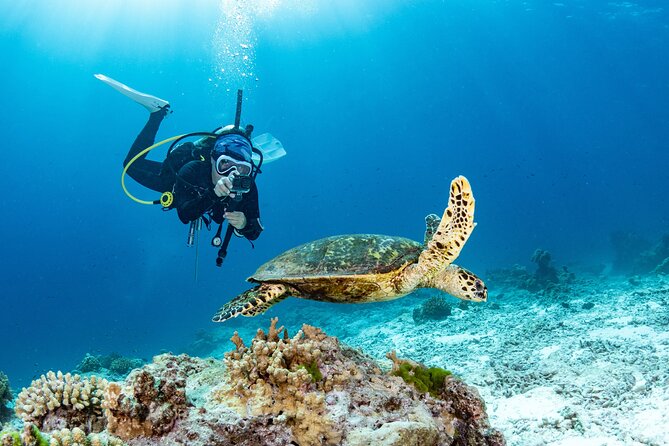
- Expect Hawaiian green sea turtles: The area is known for a population of more than 50 turtles, and sightings are considered very common.
- Certified divers only: You must provide proof of scuba certification, and no instructor is included.
- Small groups help: The maximum group size is seven people with a professional divemaster.
- Koloa Landing can have current: Be ready for a more active shore entry and ask about conditions before getting in.
- Bring key scuba equipment: A wetsuit, mask, fins, and booties are provided, but the regulator and BCD are not.
- Plan around the altitude rule: Stay below 1,000 feet for 18 hours after your final underwater session, including no flights, helicopter tours, skydiving, or trip to Waimea Canyon.
Why Koloa Landing attracts turtle lovers
Koloa Landing is one of Kauai’s best-known shore sites, and the turtles are the clear star. The local population is estimated at more than 50 Hawaiian green sea turtles, giving you a strong chance of seeing these large, graceful animals while they rest, feed, or pass through the area.
I like this kind of encounter because you are not being taken to a staged animal attraction. The turtles are wild, so their behavior and exact location will change. That uncertainty is part of the appeal, but it also means the operator cannot promise a sighting.
The underwater setting also gives you more to watch than turtles alone. The supplied information does not promise a particular list of fish or reef creatures, so I would not book this expecting a fixed wildlife checklist. Instead, think of the experience as a guided look at Koloa Landing’s underwater ecosystem, with turtles as the main prize.
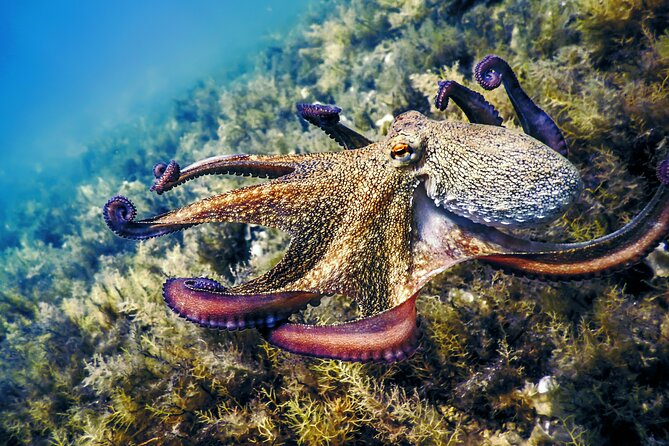
One review describes seeing more turtles than the diver could count across two underwater sessions. That is a useful picture of what makes this outing special. Another diver hoped to find an octopus but did not, despite the guide trying to locate one. The lesson is simple: come for the turtles and enjoy any extra wildlife as a bonus.
More scuba diving on Kauai:
- Kauai’s Ultimate South Shore 2 Tank Dive (Certified Divers Only)
★ 5.0 · 190 reviews - Kauai’s Ultimate Discover Scuba Dive – OCEAN EXPERIENCE (1 Tank Dive)
★ 5.0 · 186 reviews - Kauai’s Ultimate Dive Boat Adventure (for CERTIFIED Divers Only)
★ 5.0 · 84 reviews
From the Koloa shop to the water
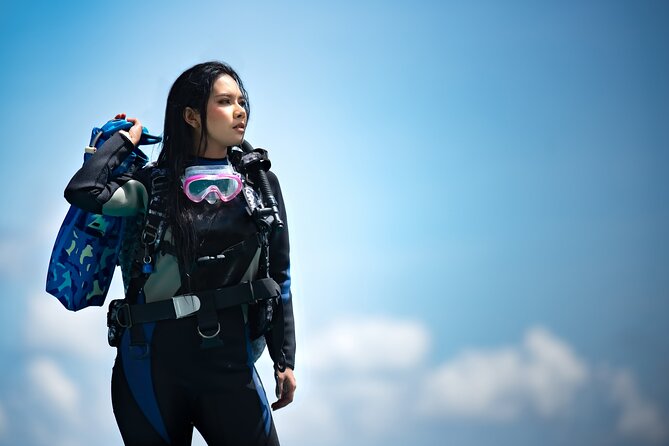
You begin at Seasport Divers, at 2827 Poipu Road in Koloa. After checking in, you show your required scuba certification and get ready with the supplied equipment. The outing lasts about two hours, so the schedule is compact and focused rather than a full-day boating trip.
Transport to Koloa Landing is included. That matters because you do not have to organize your own ride to the shore site, and the group stays together as the guide handles the route. The return is also to the original meeting point.
The exact vehicle details are not provided, but private transportation is included. If you are arriving from a cruise ship, pay close attention to the timing. One cruise passenger had trouble arranging transport from the port, though Taylor went out of the way to help the person return in time. That does not mean port pickup is included. It is not listed, so you should arrange the connection between the ship and the Koloa meeting point yourself.
The group maximum is seven people. That is a useful size for a shore-based activity, since the guide can give more direct attention than on a large commercial outing. It also means the experience may feel less anonymous, with more room to ask questions about the entry, current, and route.
The briefing matters at Koloa Landing
At the site, your professional divemaster gives a detailed explanation of the area and shore procedures. Listen carefully here, especially if your recent scuba experience has mostly been from boats or calm training water.
Koloa Landing is not presented as a completely effortless swim. One account describes a heavy current, so your comfort with managing your position and conserving energy matters. You should be ready to follow the guide’s pace, keep good awareness of the group, and adjust to conditions rather than treating the visit as a casual swim.
A small point from one booking is worth clarifying before you arrive. A guide named Cody reportedly treated part of the session like a discovery experience, while the booking was intended as a shore outing for a certified diver. The same person also felt some exercises were unnecessary because of extensive professional experience. This may have been a simple communication mix-up, but it is a good reason to state your certification level and expectations clearly at check-in.
Those exercises may be useful for a newly certified diver or anyone who wants a quick skills check. They may feel repetitive to a divemaster or highly experienced diver. The operator is serving certified divers, but that does not mean everyone in the group has the same experience level.
Underwater time with the turtles
Once the briefing is complete, you enter the water with the guide and begin exploring Koloa Landing. The supplied equipment includes a wetsuit, mask, fins, and booties. Bottled water and snacks are also included, which is helpful after a shore entry and surface swim.
The most important thing to understand is that the turtle count is not a guarantee. The area is known for more than 50 Hawaiian green sea turtles, and it is described as extremely rare not to see them, but wildlife can always change its plans. You should give the animals space and follow the guide’s instructions around them.
A first open-water outing can feel like a major step, especially for someone recently certified. Carlos guided one newly certified diver through equipment setup, safety information, and two underwater sessions. That kind of structured support can make a difference when you are moving from a certification course into real ocean conditions.
At the same time, this is not an introductory lesson. No scuba instructor is included, and the experience is specifically for certified divers. You need to be comfortable using your own training in an ocean setting. If you are uncertain about your certification status or need instruction, this is not the right product.
The guide may also look for other animals. An octopus was not found during one outing, despite an effort to locate one. That is normal for a wild site. The strongest reason to book remains the unusually good chance of encountering green sea turtles, not a promise of a particular species list.
More places to swim with turtles on Kauai:
- Try Scuba Diving on Kaua’i with Sea Turtles
★ 5.0 · 3 reviews - Oahu’s Ultimate Tour: Dole, Turtle Snorkel, Pali Lookout & More
★ 4.5 · 5,461 reviews - Oahu Circle Island Tour with Turtle Snorkeling— Small-Groups
★ 5.0 · 5,214 reviews - Waikiki, Hawaii: Turtle Canyon Snorkel Excursion
★ 5.0 · 4,656 reviews
What equipment is included, and what is not
The equipment list is generous in some ways but incomplete for a fully independent scuba setup. You receive:
- Wetsuit
- Mask
- Fins
- Booties
- Bottled water
- Snacks
- Private transportation
- Professional divemaster
- All fees and taxes
You do not receive a regulator or BCD. You also do not receive scuba instruction. That last point is especially important. You must already be certified and able to use the equipment required for the activity.
The missing regulator and BCD affect the real price. At $153.16 per person, the outing may offer fair value if you already have those items or can arrange them through the operator. If you need to rent both separately, ask about the extra cost before booking. The listed price is not the complete equipment cost for someone arriving without a full scuba kit.
On the plus side, the included wetsuit, mask, fins, and booties remove several bulky items from your packing list. Transport, snacks, and taxes also reduce the number of small charges you need to calculate. I would compare the total price with a boat-based turtle outing, but remember that this experience gives you a shore-based visit rather than a boat ride.
Is two hours enough?
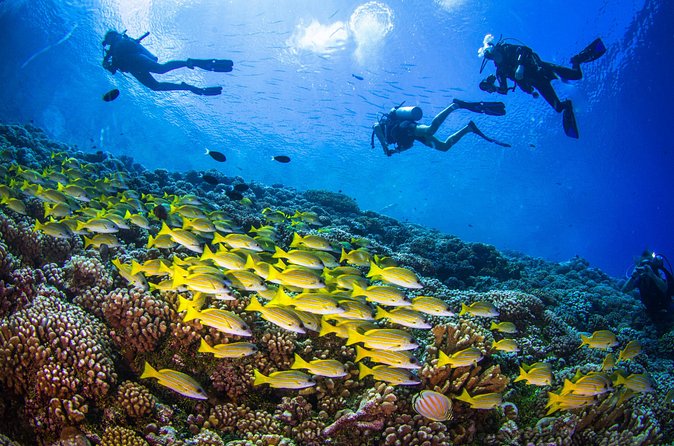
The stated duration is about two hours. That includes check-in-related preparation, transport, the site briefing, equipment setup, and time in the water, so you should not assume the full two hours will be spent underwater.
For many people, that compact schedule is a strength. You can fit the activity into a Kauai day without giving up an entire morning or afternoon. It also suits cruise passengers who have limited time in port, provided they arrange transportation to and from the meeting point with care.
The short format may feel less satisfying if you want a long series of underwater sessions or a relaxed day around the site. The available information confirms one review with two underwater sessions, but the exact number and duration are not guaranteed for every booking. Conditions, group pace, and safety needs can affect the schedule.
The 37-day average advance booking figure suggests that you should not treat this as a last-minute plan, especially if your Kauai dates are fixed. The group is limited to seven, and turtle-focused activities can be popular.
The altitude rule can shape your Kauai plans
After your final underwater session, you must remain below 1,000 feet for 18 hours. This is not a minor footnote. It affects several popular Kauai plans.
You cannot take an interisland or commercial flight during that period. You also cannot book a helicopter tour, go skydiving, or visit Waimea Canyon, because the canyon trip involves higher altitude. If you are flying out of Kauai soon after the activity, schedule the scuba outing early enough to leave the required 18-hour gap.
This rule may also affect a same-day helicopter reservation or a planned trip to Waimea Canyon. Put the underwater activity in your itinerary first, then count forward 18 hours before scheduling anything that involves altitude.
The rule is one of the biggest planning issues here, but it is also easy to manage if you know about it before booking. I would write down the time of your final session and build the rest of the trip around it.
Who will get the most from this outing?
This experience suits certified divers who want a focused encounter with Hawaiian green sea turtles and prefer a shore site to a boat trip. It is especially appealing if you already have a regulator and BCD, are comfortable in open water, and value a small group with a guide.
A newly certified diver can also enjoy it. Carlos successfully guided a diver on a first real open-water outing, with a safety briefing and close structure across two sessions. Still, a new diver should be honest about current comfort and recent experience. Koloa Landing may require more effort than a sheltered training environment.
I would think twice if you are uncomfortable with current, need formal instruction, or expect the company to supply a complete scuba system. I would also avoid booking it on a day when a flight, helicopter tour, skydiving activity, or Waimea Canyon visit is planned within 18 hours afterward.
The experience is offered in English. Service animals are allowed, and most people can participate, but the certification requirement remains firm.
Price, timing, and cancellation
At $153.16 per person, the value depends on what scuba equipment you already have. The guide, transport, wetsuit, basic personal equipment, snacks, water, and taxes are included. The regulator and BCD are not, so confirm any rental needs before you pay.
The activity has a rating of 5 from 10 reviews and is recommended by 100 percent of those reviewers. The most repeated strength is clear: close encounters with many sea turtles, supported by guides who take care with safety and logistics.
You can cancel for a full refund up to 24 hours before the start time. Changes or cancellations made inside that window are not accepted for a refund. Poor weather or failure to reach the minimum number of participants can lead to a new date, another experience, or a full refund.
Should you book the Koloa Landing turtle experience?
Book it if you are a certified diver with solid open-water comfort, already have access to a regulator and BCD, and want one of Kauai’s strongest turtle encounters in a small group. The combination of a famous shore site, professional guidance, and a very high chance of seeing wild green sea turtles gives the outing real appeal.
Before booking, check three things: your port or hotel transport to Koloa, the current altitude restrictions, and the equipment you must provide. If those details fit your plans, this is a focused and wildlife-rich way to spend two hours on Kauai. If you need instruction or a full equipment package, choose a different scuba experience.
FAQ
Is this experience for certified divers only?
Yes. You must provide your scuba certification, and scuba instruction is not included.
Where does the experience start and end?
It starts at Seasport Divers, 2827 Poipu Road, Koloa, Hawaii. The activity ends back at the same meeting point.
Are scuba tanks, a regulator, and a BCD included?
A regulator and BCD are not included in the listed package. A wetsuit, mask, fins, and booties are included.
How likely is it that I will see sea turtles?
Koloa Landing has a population of more than 50 Hawaiian green sea turtles, and it is described as extremely rare not to see them. Sightings are not guaranteed because the turtles are wild animals.
Can I fly after the activity?
You must remain below 1,000 feet for 18 hours after your last underwater session. This restriction includes interisland and commercial flights, helicopter tours, skydiving, and trips to Waimea Canyon.
What happens if the weather is poor?
If the experience is canceled because of poor weather, you will be offered a different date or a full refund. The same options apply if the minimum number of participants is not reached.
Just added on Kauai
- Family Photoshoot On Kauai★ 5.0 · 4 reviews
- Farm and Food Experience in Kilauea★ 4.5 · 101 reviews
- 6-7 Hours Private Kauai’s Hidden Gems Experience with Snacks★ 5.0 · 43 reviews
- Private Kauai Highlights- Featuring Waimea Canyon★ 5.0 · 45 reviews
- Try Scuba Diving on Kaua’i with Sea Turtles★ 5.0 · 3 reviews
- Discover Kauai Helicopter Tour from Princeville★ 5.0 · 32 reviews
- Conceptual and Surreal Wave Photography on Kauai★ 5.0 · 5 reviews
- Kauai Canyon Explorer: Private Tour Featuring Waimea & Kokee★ 5.0 · 148 reviews
Turtle Snorkeling Tours, compared.
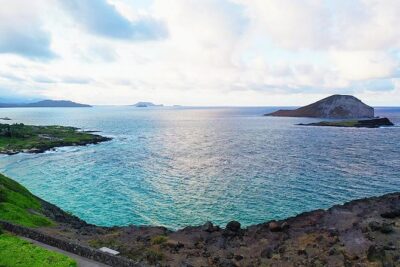
Oahu’s Ultimate Tour: Dole, Turtle Snorkel, Pali Lookout & More
Read our review →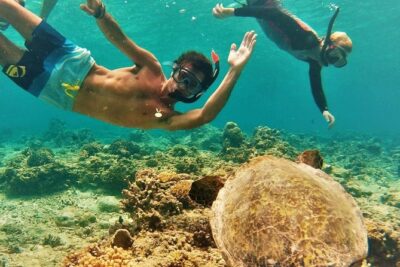
Oahu Circle Island Tour with Turtle Snorkeling— Small-Groups
Read our review →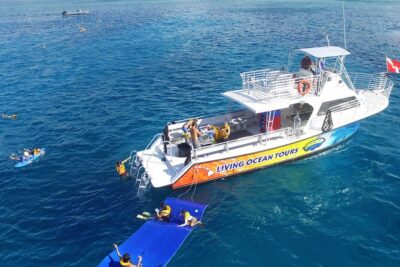
Waikiki, Hawaii: Turtle Canyon Snorkel Excursion
Read our review →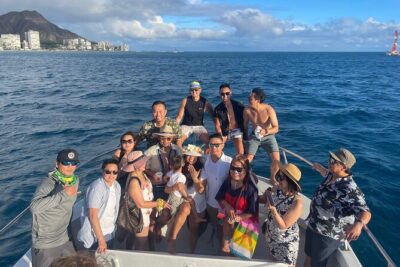
Turtle Canyon Snorkel Adventure in Waikiki, Oahu
Read our review →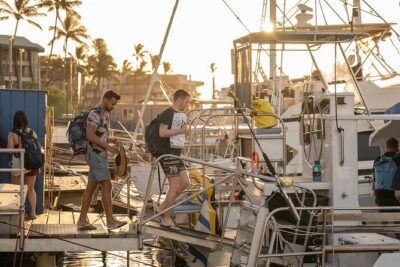
Maui Snorkeling Adventure to Molokini and Turtle Town
Read our review →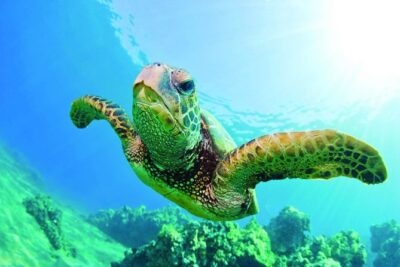
Waikiki Catamaran Snorkel Sail with Lunch: Turtles Guaranteed
Read our review →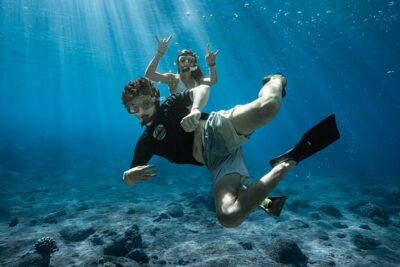
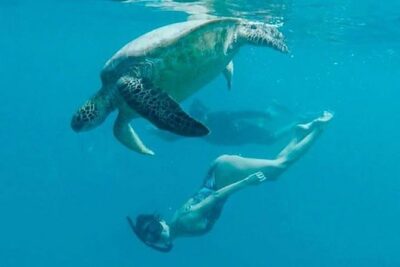
Waikiki Turtle Snorkel and Sail on Hawea Catamaran
Read our review →Browse the lists this tour appears in