
Reviewed · HELICOPTER TOURS
Exclusive Landing with Spectacular Big Island Helicopter Tour
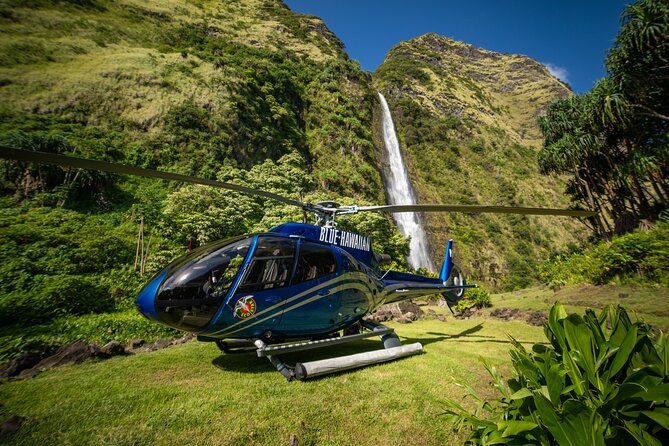
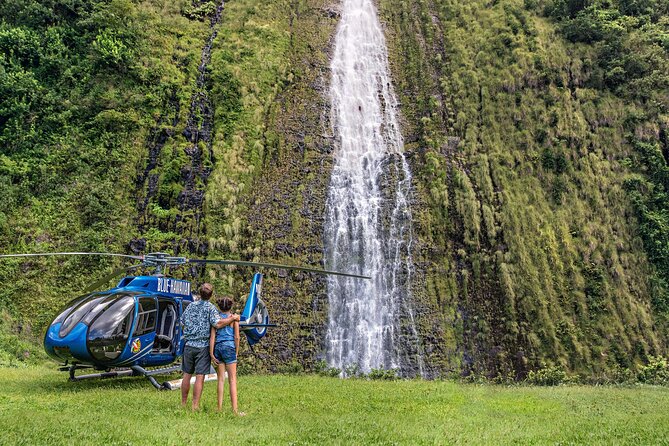
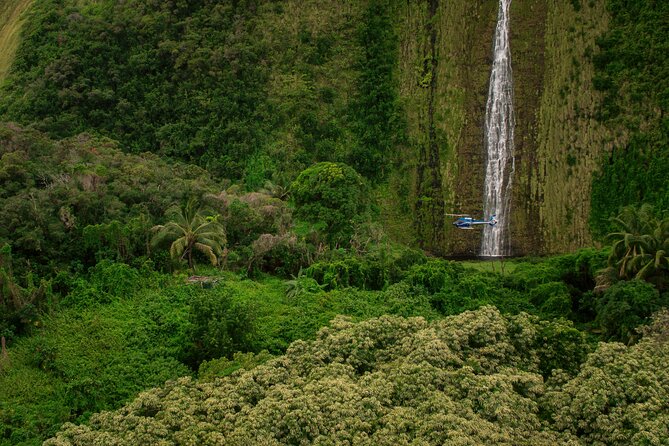
The best part of this Big Island helicopter tour is not simply the flight. It is the landing at Laupāhoehoe Nui, where you spend 20 to 25 minutes on the ground beside a 1,200-foot waterfall on the Kohala Coast. That pause turns a scenic flight into a real place you can stand in, photograph, and remember.
I like the sweeping route and the small aircraft, which can carry no more than six people. I also like the use of two-way headsets, since pilots such as Matt, James, Greg, Kai, and Shane can point out volcanic features, ranch country, waterfalls, and possible whale sightings as you fly. The main caution is cost: at $1,134.65 per person, this is a major splurge, and wind or cloud can shorten the route.
Key points at a glance
- A 20 to 25-minute waterfall landing: Touch down at Laupāhoehoe Nui beside a 1,200-foot waterfall on the Kohala Coast.
- A full-island view: The route covers Kohala, ranch country, Hilo, volcanic areas, Hawaii Volcanoes National Park, and Akaka Falls.
- A six-person maximum: The small aircraft keeps the flight more personal, though seating and weight rules matter.
- A pilot who also guides: State of Hawaii certified tour guides handle the flight commentary through Bose noise-canceling headsets.
- A weather-sensitive experience: Wind and cloud can change the route, remove volcano views, or shorten the flight.
- A strict arrival routine: Check in one hour early for weighing, safety instructions, and assigned seating.
Why the Laupāhoehoe Nui landing matters
A helicopter can show you much of Hawaii Island in a short time, but the landing gives the trip its strongest sense of place. At Laupāhoehoe Nui, you leave the aircraft for roughly 20 to 25 minutes and see the Kohala Coast from ground level, with a 1,200-foot waterfall as the main backdrop.
That time is useful for photographs and video, but it also gives you a break from looking through a helicopter window. You can take in the scale of the cliffs, the forest, and the waterfall without having to frame everything from a moving seat. The pilot can also help with photographs at the landing site, according to the practical advice given about the experience.
This is not a long walk or a separate hike. The appeal is the rare chance to land in a remote-looking part of the island and spend a short, carefully timed visit there. If the waterfall landing is optional in the booking process, I would treat it as the feature that makes this tour different from a standard aerial circuit.
More helicopter tours on Big Island of Hawaii:
- Volcano Adventure: Hilo Sightseeing w/ Optional Helicopter Tour
★ 4.5 · 412 reviews - Private Kona Coast Helicopter Tour: All Window Seats
★ 5.0 · 139 reviews - Big Island Spectacular Helicopter Tour
★ 5.0 · 116 reviews
A route from Kohala ranch country to the volcanoes
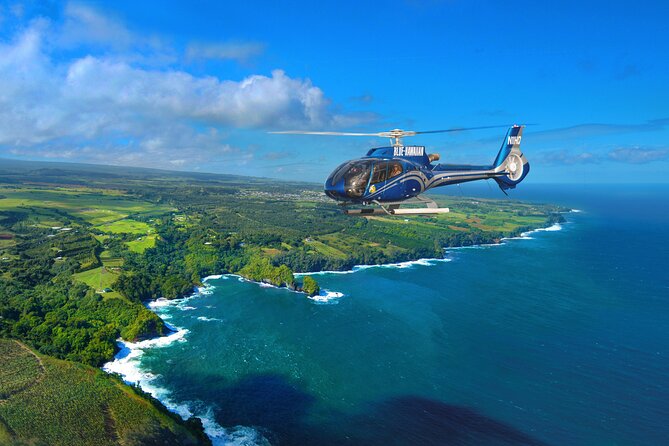
The flight begins near Waikoloa Village at Blue Hawaiian Helicopters, 68-690 Waikoloa Road. The first broad view takes in Kohala, a northern area known for ranching, rolling pasture, dramatic valleys, and cowboy country. From above, the change from open grazing land to steep green valleys becomes easy to see.
You also pass the west coast area where King Kamehameha spent his final years. The route provides a useful look at how varied the island is. The dry western side, with its resorts and open ground, gives way to older valleys and wetter country farther north and east.
One benefit of seeing this from the air is scale. Roads show you only a narrow slice of Hawaii Island. From the helicopter, you can connect the ranches, valleys, coast, and high volcanic slopes in a single view. The trade-off is that aerial sightseeing moves quickly. If you want a close look at historic sites, beaches, or towns, you will need separate time on the ground.
Seeing Mauna Kea and Kilauea from above
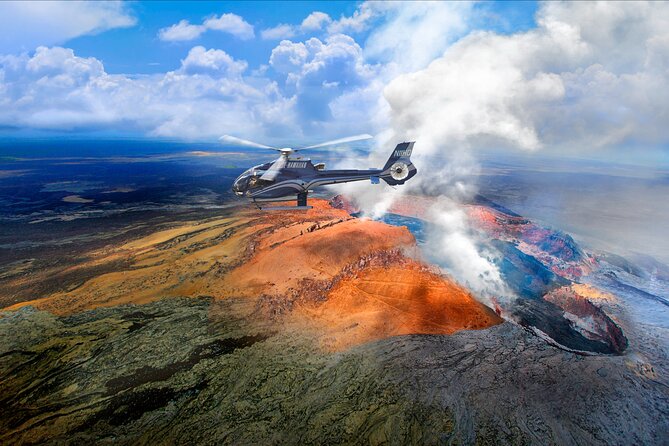
The volcanic portion is the emotional center of the route for many people. Mauna Kea is one of the five volcanoes that formed Hawaii Island and one of the largest volcanoes on Earth. The flight may include views of recent lava flows, including areas associated with activity as recent as December 2022.
Kilauea, an active shield volcano on the southeastern shore, has been erupting continuously since 1983, though volcanic conditions can change. From a safe distance, you may see the broad volcanic zones and areas shaped by recent activity. The attraction is not only the possibility of glowing lava. It is also the chance to see how new rock, old flows, ridges, and valleys fit together.
Conditions matter here. One flight had its volcano views removed because of weather, but the route was adjusted and the price was reduced. That is a good reminder to ask at the heliport what portion of the route is possible that day, especially if volcanoes are your main reason for booking.
The aircraft gives you a safe vantage point, but safety and weather come first. Pilots may alter the route, reduce the flight time, or skip areas when wind and cloud make them unsuitable. You should book with the expectation of a remarkable aerial trip, not a guarantee of every named sight.
Hawaii Volcanoes National Park from sea level to 13,000 feet
The route can include Hawaii Volcanoes National Park, a vast area covering more than 335,000 acres. It rises from sea level to more than 13,000 feet and includes six of Earth’s climate zones.
That range is hard to grasp from a road trip alone. A helicopter helps you see the transition from coastal volcanic ground to higher, colder slopes and then toward wetter forest country. The park is not just one crater or one lava field. It is a huge section of the island shaped by elevation, weather, and repeated eruptions.
You should still think of this as an overview rather than a park visit. The flight does not replace walking trails, overlooks, or a ground-level look at volcanic features. Its value is the big picture, especially if your time on the island is short or you want to understand how the volcanoes shaped the rest of Hawaii.
Same island, a different kind of day:
- Big Island in a Day: Volcanoes Waterfalls Sightseeing and History
★ 5.0 · 6,569 reviews - Big Island Manta Ray Night Snorkel
★ 5.0 · 5,656 reviews - Big Island: Kona Manta Ray Snorkel Tour in Keauhou Harbor
★ 4.5 · 2,465 reviews - Hilo Shore Excursion: Volcanoes National Park & Black Sand Beach
★ 4.5 · 2,338 reviews
Puʻu ʻŌʻō and the long eastern rift eruption
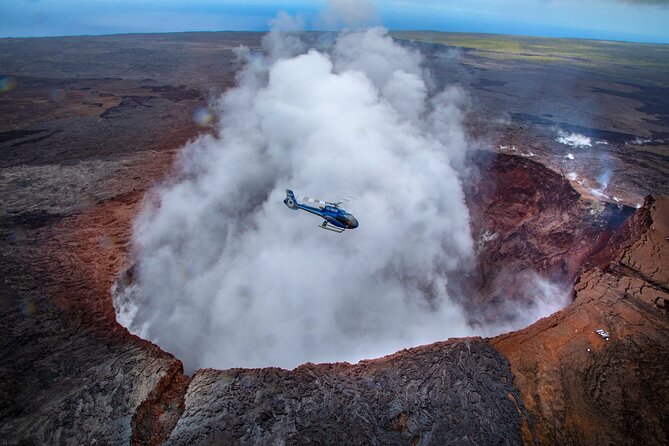
Another important volcanic reference is Puʻu ʻŌʻō, along Kilauea’s eastern rift zone. Its eruption lasted from 1983 to 2018, making it the longest-lived rift-zone eruption of the last two centuries.
The name may mean little until you see the area from above. The aerial view helps explain how volcanic activity can extend far from a central summit, sending flows across broad sections of the island. You may see old flow paths and the lasting marks of an eruption that continued for decades.
This portion of the flight is especially useful if your pilot provides context instead of simply naming what is below. The Bose aviation-grade headsets and two-way microphones allow you to ask questions and hear the commentary clearly over the aircraft noise. The pilots are also state-certified tour guides, so the narration is intended to cover both safety and the island’s natural story.
Hilo, Akaka Falls, and the wet side of Hawaii
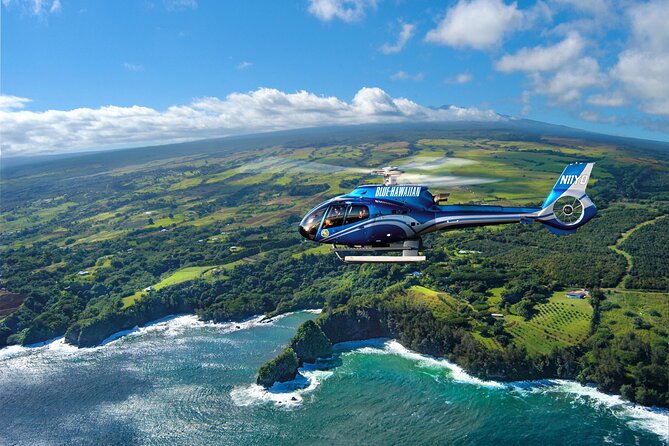
The helicopter then turns toward the northeastern side of Hawaii Island, including Hilo and the surrounding rainforests. Hilo is known for fertile forest country, waterfalls, and a wetter climate than the west coast. The contrast can be striking even before you reach the famous falls.
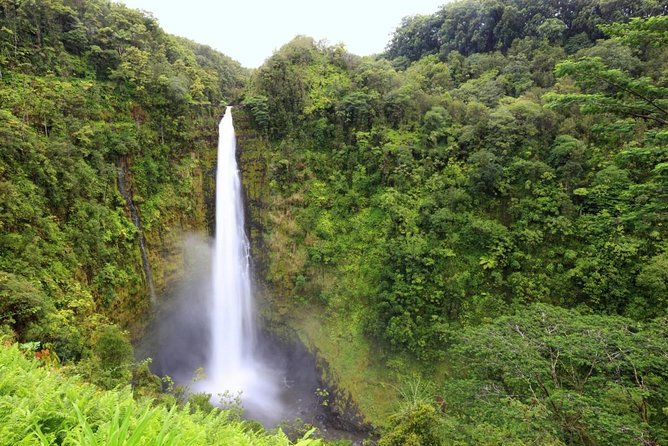
Akaka Falls is one of the major sights. The waterfall drops 442 feet into the valley below, surrounded by rainforest. From the air, you get a different view from the usual ground-level lookout, with the falls set into the folds of the valley rather than framed by a trail.
The nearby region receives nearly 84 inches of rain each year. That helps explain the thick forest, green valleys, and frequent waterfalls. It also explains why weather may be less predictable here. Clouds and rain can change quickly, so keep your schedule flexible and do not place the helicopter flight immediately before an important departure.
The waterfall segment is one of the best reasons to choose this route instead of a shorter coastal flight. You see the dry Kohala and Waikoloa areas, then the wet northeastern forests, all in one trip. The contrast is a practical lesson in how much climate changes across Hawaii Island.
What the flight feels like inside the helicopter
The aircraft accommodates a maximum of six people. A small group is a real advantage for this kind of sightseeing because the pilot can keep the commentary directed to the people on board. It also means that seating and weight calculations are taken seriously.
Each passenger has a total weight limit of 240 pounds. If you weigh more than 240 pounds, an adjacent empty seat is required for aircraft balance, with that second seat charged at half the regular tour price. Arrange this after booking rather than waiting until arrival.
The company supplies Bose electronic noise-canceling headsets and microphones with two-way communication. You can hear the pilot and ask questions, while the pilot can point out features as they appear. Pilots named in the experience include Matt, James, Greg, Kai, and Shane, and the comments about them consistently emphasize calm flying, clear explanations, and a good sense of humor.
Wear dark clothing because bright fabric can reflect in the windows and spoil photographs. Hats, bags, large cameras, and extending selfie sticks are not permitted inside the helicopter. One practical note says that a plastic water bottle and a camera, phone, or GoPro may be allowed per person, with complimentary lockers available, but follow the current instructions from the heliport staff.
Is $1,134.65 a fair price?
This is expensive, even by Hawaii standards. The listed price is $1,134.65 per person, before any optional photo or video purchases and gratuity. You also arrange your own transportation to the Waikoloa heliport.
The value depends on what you want from your holiday. If you only want a quick look at the coast, a ground tour costs less and lets you spend more time at individual sites. If you want to understand the whole island in one continuous view, this flight covers ground that would take many hours of driving, and the waterfall landing adds an experience you cannot duplicate from a road.
I would compare the price with the cost of a special meal, a private excursion, or several shorter activities. The landing is the part that makes the high price easier to justify. Without it, you are paying mainly for the aircraft, the route, and the pilot-guided views. With it, you also get a short visit to a remote waterfall setting.
USB in-flight video and photo packages are available for an extra charge after the flight. Bring a credit card if you might want them. You should also know that gratuity is not included and is left to your discretion.
Timing, check-in, and weather rules
Check in one hour before departure. That hour is used for passenger weighing, the safety briefing, and aircraft seating. Do not cut it close. Late arrivals may not be accepted and are non-refundable, so allow time for traffic and the drive to Waikoloa Village.
The tour lasts about 2 hours and 20 minutes, though the exact route and duration can change with wind and weather. Schedule it early enough in your Big Island stay that you have another chance if conditions cause a cancellation or major change.
The experience requires good weather and a minimum number of people. If the company cancels for either reason, you can choose a different date or experience, or receive a full refund. You can cancel for a full refund up to 24 hours before the start time, but changes or cancellations inside that window are not accepted.
No scuba diving is permitted within 24 hours of departure. Children 23 months and younger may ride free as lap children. Most people can take part, but the weight, seating, and aircraft restrictions should be considered before you book.
Who will get the most from this tour?
I would choose this for a first visit to Hawaii Island when you want a quick sense of the island’s full range. It suits couples celebrating something special, photographers who can work within the equipment rules, and anyone who values seeing volcanic areas and waterfalls from above rather than only from overlooks.
It also suits people who dislike long drives. The island is large, and reaching Kohala, Hilo, Hawaii Volcanoes National Park, and Akaka Falls by car takes serious planning. The helicopter does not replace those places, but it gives you a strong overview in a single morning or afternoon.
I would hesitate if you need guaranteed volcano views, dislike aircraft travel, or feel the price is too high for a two-hour experience. Weather can remove major parts of the route, and the helicopter cannot linger at every sight. If you are most interested in a particular volcano or waterfall, a ground excursion may offer more time and detail.
Should you book the Laupāhoehoe helicopter tour?
Book it if the waterfall landing matters to you and you want a full-island view with a small group. That landing, the six-person maximum, and the pilot-guided route give this experience more substance than a simple scenic flight.
Before paying, confirm the landing option, the current departure time, and the weight arrangements for everyone in your party. Keep your schedule flexible for weather, arrive an hour early, and wear dark clothing for cleaner photographs. If you can accept the cost and the possibility of a shortened route, this is one of the clearest ways to see how volcanoes, ranches, rainforest, and waterfalls fit together on Hawaii Island.
FAQ
Where does the helicopter tour begin and end?
It begins and ends at Blue Hawaiian Helicopters, 68-690 Waikoloa Road, Waikoloa Village, Hawaii 96738.
How long does the tour last?
The tour lasts approximately 2 hours and 20 minutes. Wind and weather conditions can change the schedule, route, or flight length.
How long do you spend on the ground at Laupāhoehoe Nui?
The exclusive landing includes about 20 to 25 minutes on the ground beside a 1,200-foot waterfall.
How many people can join the helicopter flight?
The maximum group size is six travelers.
What is the passenger weight limit?
The total weight limit per passenger is 240 pounds. Anyone above that weight needs an adjacent empty seat, which is charged at half the regular tour price.
How early should you arrive?
You should check in one hour before the scheduled departure. This allows time for weighing, the safety briefing, and aircraft seating.
Can you cancel for a refund?
You can cancel at least 24 hours before the start time for a full refund. If poor weather or an insufficient number of participants causes the company to cancel, you can choose another date or experience, or receive a full refund.
Just added on Big Island of Hawaii
- Volcano National Park and Rainbow Fall in Hilo, Hawaii★ 5.0 · 53 reviews
- Volcanoes National Park Adventure Tour – Hilo Shore Excursion★ 4.5 · 104 reviews
- Volcanoes National Park and Hilo Private Tour★ 5.0 · 3 reviews
- Private VAN Tour Hilo★ 4.5 · 5 reviews
- Volcanoes Adventure Tour from Hilo★ 4.0 · 29 reviews
- Majestic Waterfall Tour★ 5.0 · 31 reviews
- Private Shore Excursion Hilo Volcanoes National Park up to 10 PPL★ 5.0 · 36 reviews
- 5 Hour Custom Private Tour of Hawaii★ 5.0 · 9 reviews
Helicopter Tours, compared.
Kauai Airplane Tour: Na Pali Coast, Waterfalls & Window Seats
Read our review →
Kauai Private Doors-Off Helicopter: Ultimate Waterfalls & Canyons
Read our review →
Kauai Deluxe Waterfall Safari: Helicopter Tour
Read our review →
PRIVATE- Air Tour: 5 Islands: (2-5 people): SEE Even MORE!
Read our review →
Road to Hana Luxury Limo-Van Tour with Helicopter Flight
Read our review →
West Maui and Molokai Special 45-Minute Helicopter Tour
Read our review →
Royal Crown of Oahu – 60 Min Helicopter Tour – Doors Off or On
Read our review →Browse the lists this tour appears in