
Reviewed · GHOST TOURS
2-Hour Hilo Ghost Walks Tour
Hilo’s ghost stories are tied to real places: a river called the waters of destruction, a 1925 theater with modern sightings, and a tsunami museum where reports of apparitions followed deadly waves. This is not a haunted-house attraction. It is a walking tour of Hilo’s history and folklore, with spirits sharing the stage with kings, deities, temples, and natural disasters.
I like the way the tour reaches less-visited downtown sights, including Naha Stone and the grounds around Kalakaua Park. I also like the small maximum of 16 people, which gives the guide a better chance to answer questions. The main drawback is clear: if you want two solid hours of scary tales, the history and culture may take up more time than expected.
Key points to know before you book
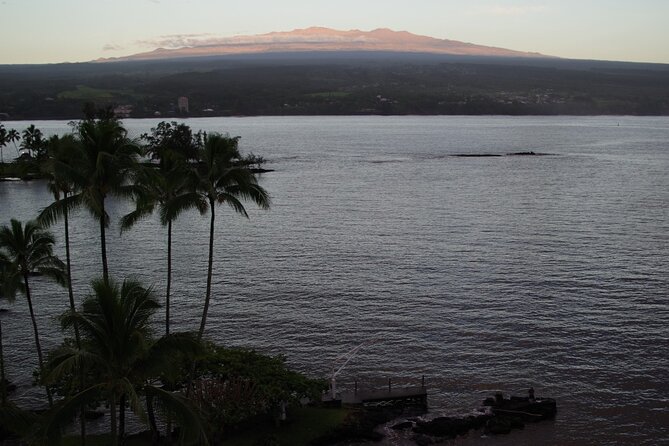
- Wailuku River begins the story: Hear about dangerous waters, sea creatures, and Hawaiian supernatural traditions near the Pacific.
- The Palace Theater adds modern ghost lore: This 1925 theater has been connected with present-day reports of paranormal activity.
- Kalakaua Park brings in Hawaiian royalty: A banyan tree, reflecting pool, and statue of Hawaii’s last king set the scene.
- The tsunami connection is serious: The Pacific Tsunami Museum stop links ghost stories to the human cost of past tidal waves.
- Naha Stone carries political and spiritual meaning: Ancient stones brought from Kauai connect to a prophecy about uniting the Hawaiian Islands.
- The $59 price buys storytelling, not admission tickets: The value depends on how much you enjoy guided history, legends, and atmosphere.
What the Hilo Ghost Walk is really about
The title may suggest a scare-first outing. In practice, you should think of this as a haunted history walk. The guide connects Hilo’s places to Hawaiian deities, spirits, old beliefs, tragedy, and modern ghost reports.
That mix is the tour’s strength and its possible weakness. If you enjoy learning why a place matters, the evening gives you more than a string of spooky anecdotes. You hear about sacred objects, royal symbols, destructive waves, and the way local stories continue to shape Hilo. If you want constant supernatural action, you may find the pace too historical.
The walk lasts about two hours and begins at 5 pm from 2 Kamehameha Avenue. It ends back at the same meeting point, which makes planning dinner or an evening drive easier. Since the activity requires good weather, keep a little flexibility in your schedule.
Other ghost walks on Big Island of Hawaii:
- Kona Haunted Hele Ghost Tour
★ 4.5 · 99 reviews - Kailua-Kona Haunted History Walking Ghost Tour
★ 4.5 · 27 reviews - Kailua-Kona: Haunted History Ghost Walking Tour
★ 4.1 · 8 reviews
Wailuku River and the waters of destruction
The first stop is Wailuku River State Park, where you spend about 15 minutes. The name and stories surrounding the river give the guide an immediate way to discuss danger, nature, and Hawaiian spiritual beliefs.
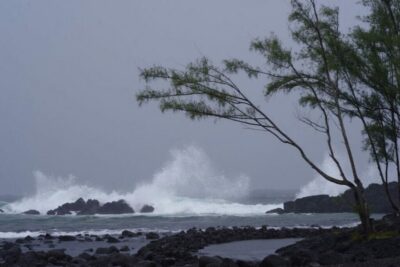
The phrase waters of destruction sets a darker tone, but this is not simply a place of fear. Where the water meets the Pacific, you might spot sea turtles, needle fish, and other sea life. That contrast matters. The same setting can carry tales of powerful forces while also offering a calm, scenic moment.
You will not pay an admission fee for this stop. The short visit is best understood as an introduction rather than a full exploration of the park. Wear shoes suited to walking and expect the guide to do most of the work through storytelling.
The Palace Theater and present-day ghost reports
The walk then reaches the Palace Theater, a historic building dating to 1925. You spend about 10 minutes here, hearing about contemporary ghost reports connected with the theater.
The building’s age gives the stories a physical anchor. You are not listening to a tale in an empty field. You are standing near a working piece of Hilo’s past, a place with a long public life and a setting that has attracted paranormal attention.
The Palace Theater was also featured on the television series Haunted Towns. That detail may appeal to fans of paranormal programs, though the stop itself is brief. I would treat it as a compact story break rather than a full theater visit. There is no admission ticket included, and the tour does not promise entry into the building.
Kalakaua Park under the banyan tree
Kalakaua Park receives about 15 minutes of the walk. Its large banyan tree, lotus-adorned reflecting pool, and statue of Hawaii’s last king provide a striking setting for stories tied to the Merrie Monarch Festival.
This is one of the tour’s strongest stops because several parts of Hilo’s identity meet in one place. You have royal history, public ceremony, Hawaiian cultural tradition, and supernatural tales linked to an annual event. The stories gain weight from the surroundings rather than floating free of them.
The park also gives you a chance to pause and look around. A walking tour can become a blur of names and legends, so a short stop with a tree, water, and a statue helps you remember where the stories belong. You will likely get more from this section if you are interested in Hawaii’s monarchy and cultural traditions, not only ghost lore.
A few more things to do on Big Island of Hawaii worth a look
- 2-Hour Guided Private Surf Lesson in Kona
★ 5.0 · 84 reviews - 2-Hour Dolphin Watching and Double Reef with Snorkel in Hawaii
★ 5.0 · 23 reviews - 2 Hour Big Island Dolphin Watching and Sea Turtle Snorkel Tour
★ 5.0 · 4 reviews - 2-Hour Mauna Kea One Stop Sealife Snorkel Adventure
★ 5.0 · 3 reviews
The Pacific Tsunami Museum and a difficult chapter
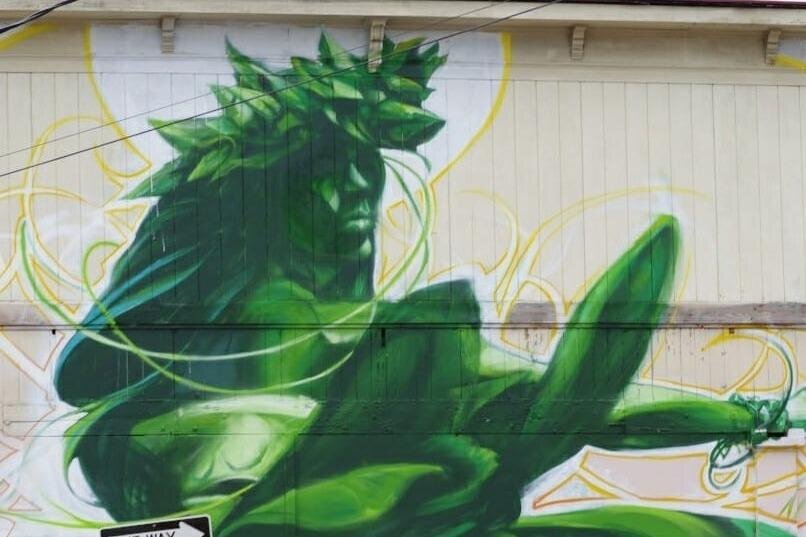
The tour spends about 10 minutes near the Pacific Tsunami Museum. The museum is dedicated to people killed by devastating tidal waves in Hilo, so this is the most serious part of the walk.
Here, the supernatural stories connect to real grief. The guide discusses reports of ghosts that followed the tsunamis and the Buddhist ritual used to dispel them. That subject gives the tour a different tone from a standard entertainment-focused ghost walk. It asks you to consider how communities remember sudden death and how spiritual practice can help people respond.
Admission to the museum is not included. The supplied details identify the museum as a stop for discussion, not as a guaranteed museum visit. If you want to tour the exhibits, plan for that separately and confirm the museum’s opening hours before building it into your schedule.
This stop also explains why the tour may feel more like a cultural history walk than a scare show. The stories are tied to actual loss, and a respectful attitude is important.
Naha Stone and the prophecy of unity
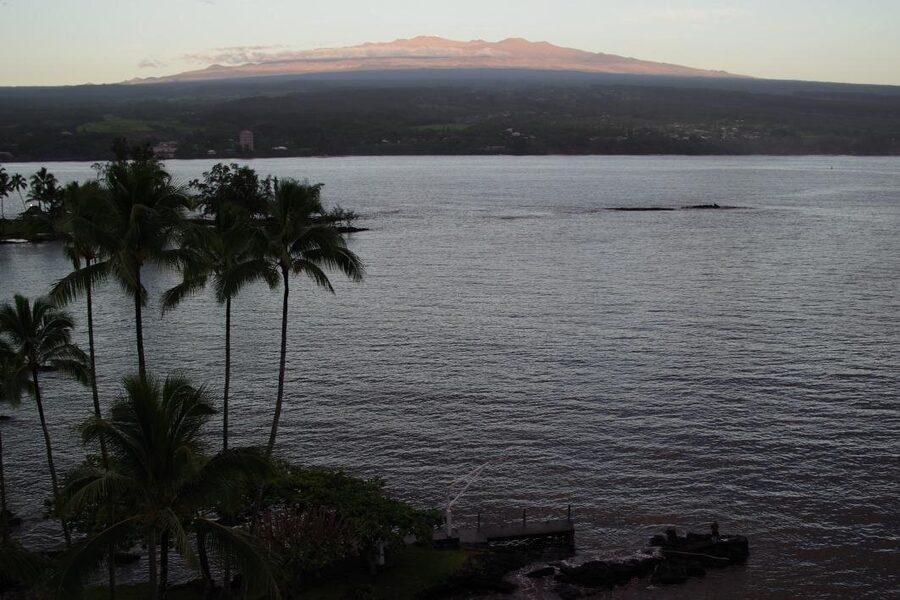
The final named stop is Naha Stone, where you spend about 15 minutes. These huge ancient stones were brought by canoe from a Hawaiian temple on Kauai. They are linked to a prophecy about the unification of the Hawaiian Islands.
This is a fine ending because the story moves beyond ghosts and into power, destiny, and the meaning of sacred objects. You get a sense of how a stone can carry political and spiritual importance far beyond its physical size.
Naha Stone also rewards curiosity. If you have seen similar stones without knowing their story, the guide gives you a reason to stop and pay attention. The visit costs nothing, and it adds a distinctive Hawaiian element that separates this tour from a generic downtown ghost walk.
Why the small group matters
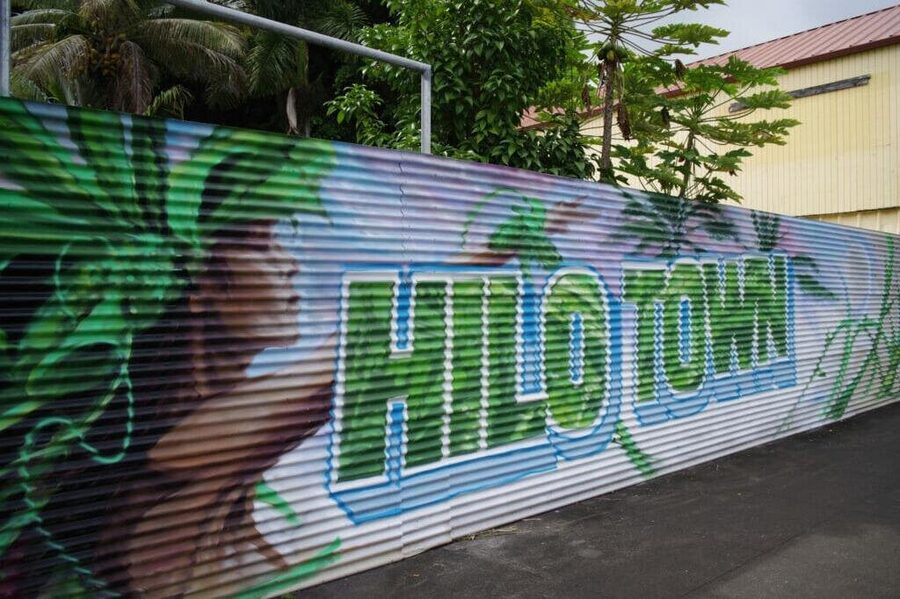
The maximum group size is 16 people. That is not a private tour, but it is small enough to keep the guide’s voice within reach and make questions more practical.
This matters especially on a story-led walk. The quality depends less on scenery than on delivery, pacing, and the guide’s ability to explain local customs without rushing. A smaller group can also make the experience feel less like a moving crowd through downtown Hilo.
The available feedback gives the guide style a strong mark overall. The praise focuses on clear explanations of Hilo’s history and culture, along with a guide who made the walk enjoyable. One person specifically appreciated being asked if they had ever encountered a ghost in their own life, a simple opening question that can get the group talking.
Guide names are not provided, so I cannot tell you who will lead your departure. The experience is offered in English.
What $59 means in practical terms
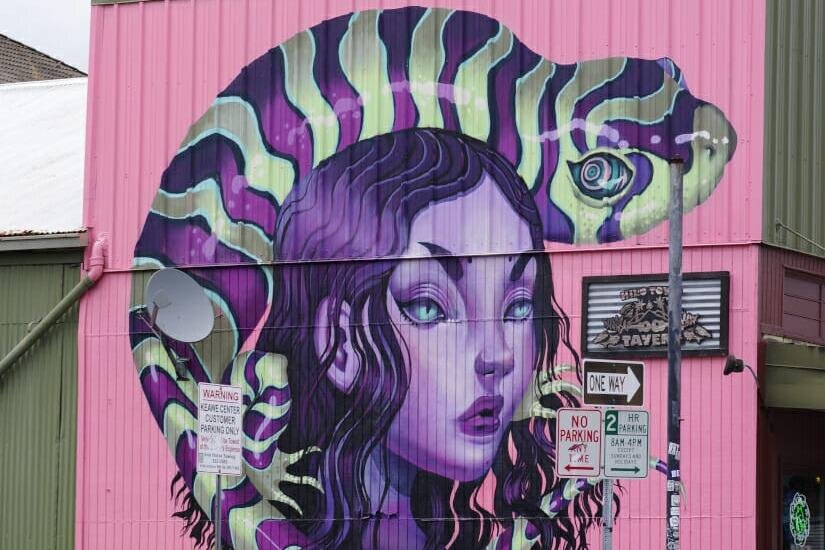
At $59 per person, this is not the cheapest way to see downtown Hilo. You are paying for about two hours of guided interpretation, not for transportation, food, drinks, or admission to the Pacific Tsunami Museum.
The value is reasonable if you would otherwise walk around downtown without knowing the meaning behind the sites. The guide supplies the connections: river and spirits, theater and ghost reports, royal symbolism and festival stories, tsunamis and Buddhist ritual, sacred stones and island unity.
The price is less appealing if you want a large number of haunted locations or a theatrical scare experience. Several stops last only 10 or 15 minutes, and some of the time naturally goes to historical context. I would book it for storytelling and local perspective, with ghosts as one important part of the evening rather than the whole point.
Food and drinks are not included. Since the tour starts at 5 pm and ends at the original meeting point, you can plan a meal before or after it.
Who will enjoy this evening walk
I would recommend the tour to you if you like:
- Hawaiian legends and cultural history
- Short guided walks through downtown areas
- Stories connected to real places and tragic events
- Historic buildings and royal landmarks
- Small-group activities
- Paranormal subjects presented alongside history
Families may appreciate the short stops and the fact that the walk does not depend on a frightening performance. Still, the tsunami section deals with death and disaster, so consider the age and sensitivity of everyone in your group.
It also suits people staying in Hilo who want an evening activity without a long drive. Because the tour begins and ends downtown, you do not need a separate sightseeing vehicle for the walk itself. Service animals are allowed, the meeting area is near public transportation, and most people can participate.
I would be more cautious if you have limited mobility and find two hours of walking difficult. The supplied details say most people can participate, but they do not give a specific route length, terrain description, or seating plan. Ask the operator for route details if that affects your decision.
A fair reading of the ghost factor
The strongest praise centers on the guide’s ability to explain Hilo’s past and culture. People enjoyed the sites, learned a great deal, and found the walk fun. That is the clearest signal about what this activity does best.
The main criticism is also useful. One person felt the title promised more ghosts than the tour delivered. That concern should not be brushed aside. The description includes spirits, deities, and ghost reports, but the actual structure gives equal space to history, Hawaiian traditions, tsunami memory, and landmarks.
I would set your expectations this way: you will hear supernatural stories, but you will also learn why the places matter. The mood may be atmospheric, yet the guide’s information is the heart of the experience. If that sounds appealing, the tour has a good chance of working for you. If you want scares at every stop, choose something designed more clearly as a horror attraction.
Booking and cancellation details
You receive confirmation when you book. The activity is offered in English, uses a mobile ticket, and is often reserved about 16 days ahead, so booking early is sensible if your Hilo dates are fixed.
You can cancel for a full refund up to 24 hours before the 5 pm start time. Cancellations or changes made inside that window are not refunded or accepted. If poor weather forces the operator to cancel, you will be offered another date or a full refund.
Should you book the Hilo Ghost Walk?
Book it if you want a small-group downtown walk that blends Hawaiian beliefs, royal history, tsunami memory, and ghost reports. The best parts are the unusual places, the local context, and the chance to see Hilo through stories you would likely miss on your own.
Skip it if your main goal is a nonstop ghost hunt. At $59, the tour makes the most sense for someone who values an informed guide and authentic local context as much as the spooky subject. Go expecting haunted history, not a haunted-house show, and you will have a clearer idea of what you are buying.
FAQ
How long is the Hilo Ghost Walk?
The tour lasts approximately two hours.
Where does the tour begin?
It begins at 2 Kamehameha Avenue, Hilo, Hawaii 96720.
What time does the tour start?
The scheduled start time is 5 pm.
Where does the tour end?
The tour ends back at the meeting point.
What places are included on the walk?
The route includes Wailuku River State Park, the Palace Theater, Kalakaua Park, the Pacific Tsunami Museum area, and Naha Stone.
Is admission to the Pacific Tsunami Museum included?
No. Admission to the Pacific Tsunami Museum is not included.
How large is the tour group?
The maximum group size is 16 people.
Can I cancel for a full refund?
Yes. You can cancel at least 24 hours before the start time for a full refund. Cancellations within 24 hours are not refunded.
Just added on Big Island of Hawaii
- Volcano National Park and Rainbow Fall in Hilo, Hawaii★ 5.0 · 53 reviews
- Volcanoes National Park and Hilo Private Tour★ 5.0 · 3 reviews
- Volcanoes National Park Adventure Tour – Hilo Shore Excursion★ 4.5 · 104 reviews
- Private VAN Tour Hilo★ 4.5 · 5 reviews
- Volcanoes Adventure Tour from Hilo★ 4.0 · 29 reviews
- Majestic Waterfall Tour★ 5.0 · 31 reviews
- Private Shore Excursion Hilo Volcanoes National Park up to 10 PPL★ 5.0 · 36 reviews
- 5 Hour Custom Private Tour of Hawaii★ 5.0 · 9 reviews
Ghost Tours, compared.


Honolulu Haunts: Ghosts and Spirits Walking Tour
Read our review →



Browse the lists this tour appears in